On this page
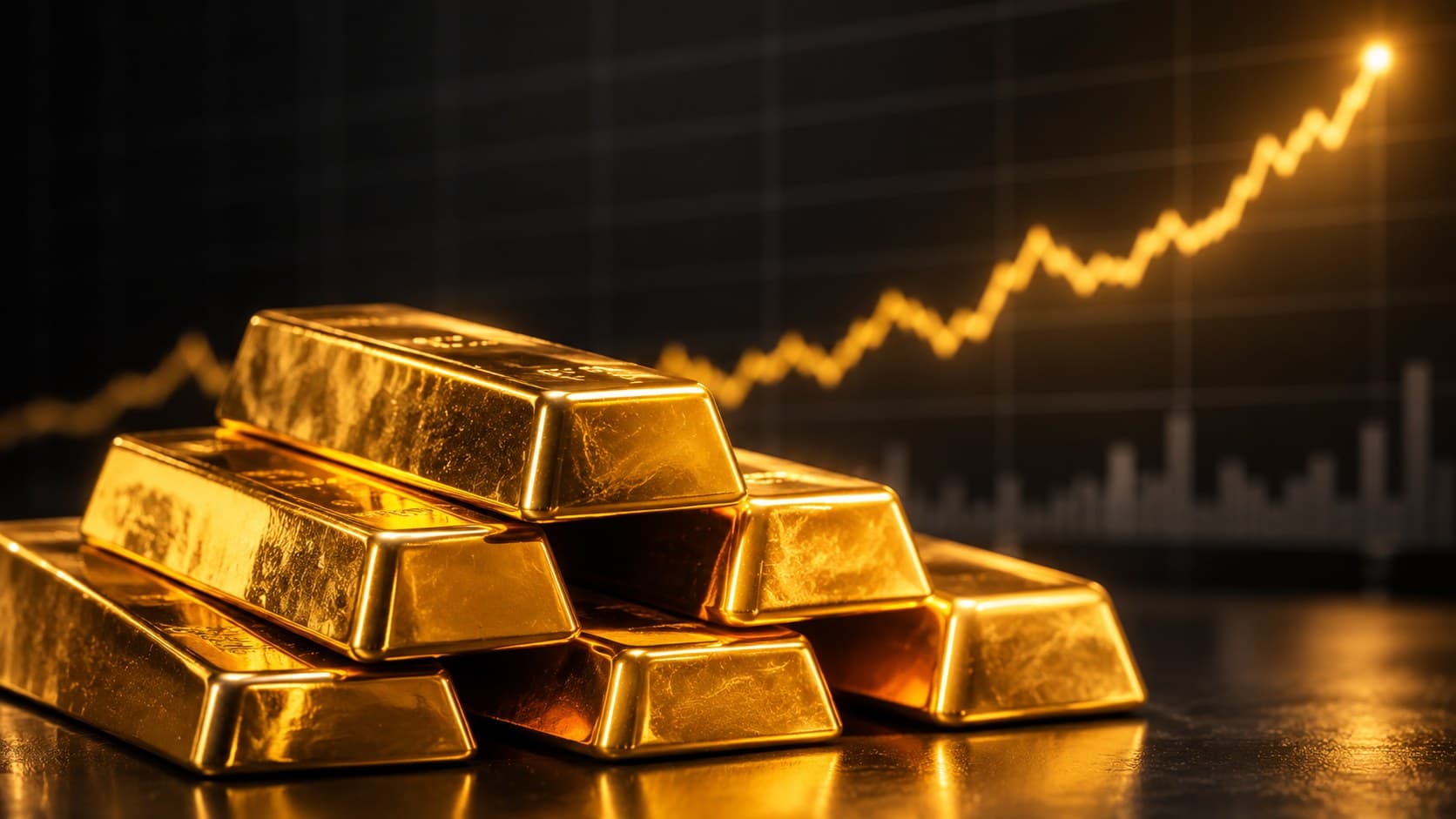
The gold price jumped back above $4,000 an ounce on Wednesday 4 November 2026, rising around 3% in a single day after Democrats won control of the US Congress in the midterm elections. A weaker US dollar and falling US government bond yields made gold more attractive to investors, lifting it from close to its lowest level of the year.
Here is how much gold costs now, why the price moved, and what could drive it next.
Key takeaways
- Price: spot gold traded at roughly $4,040–$4,070 an ounce on 4 November, up from about $3,900 a day earlier.
- In pounds: around £2,990 an ounce, or about £96 a gram.
- Size of the move: a rise of around 3% in a day, one of gold's biggest daily gains in recent months.
- Why: the US dollar fell to about a one-month low and Treasury yields dropped after the midterm results.
- Key level: analysts are watching whether gold can stay above $4,000. Below that, the next support is seen near $3,970.
- Next big tests: the Bank of England decision on 5 November and the US jobs report on 6 November.
What is the gold price today?
Gold was trading at around $4,040 to $4,070 per troy ounce on 4 November 2026, depending on the time of day and the data source. Reuters reported spot gold up 2.9% at $4,041.60 during the US morning session, while Kitco listed $4,068 in the early afternoon in New York.
The jump came just a day after gold had slipped to around $3,900, only a little above its low for the year of about $3,870.
Gold prices change every minute while markets are open. Check a live source such as Kitco or Trading Economics for the latest price.
Why did gold go up after the midterms?
Gold rose for three connected reasons.
1. A weaker US dollar
Gold is priced in dollars, so when the dollar falls, gold becomes cheaper for buyers using other currencies and demand tends to rise. The US Dollar Index fell to around 101.3 on 4 November, its lowest level in about a month, as investors reacted to Democrats winning both the House and the Senate.
2. Lower Treasury yields
Gold pays no interest, so it competes with assets that do, such as US government bonds. When bond yields fall, the cost of holding gold instead goes down. Analysts, including Pepperstone's Chris Weston, pointed to lower US yields as a key support for gold after the election.
3. Political uncertainty
A Democratic Congress facing a Republican president raises the chance of gridlock over government spending and the debt ceiling. Gold is traditionally seen as a "safe haven" that investors buy when they are unsure about politics or the economy, and some of that demand returned this week.
Why had gold fallen before the election?
The rebound followed a weak few weeks. Gold slipped after the US Federal Reserve held interest rates on 28 October, when two members of the Fed's rate-setting committee voted to raise rates instead. That raised expectations of a US rate rise in December, which is usually bad news for gold because higher rates make interest-paying assets more attractive.
Higher oil prices linked to tensions in the Middle East also fuelled worries about inflation, adding to the pressure for higher interest rates around the world.
What happens next for the gold price?
Several events this week could move gold sharply:
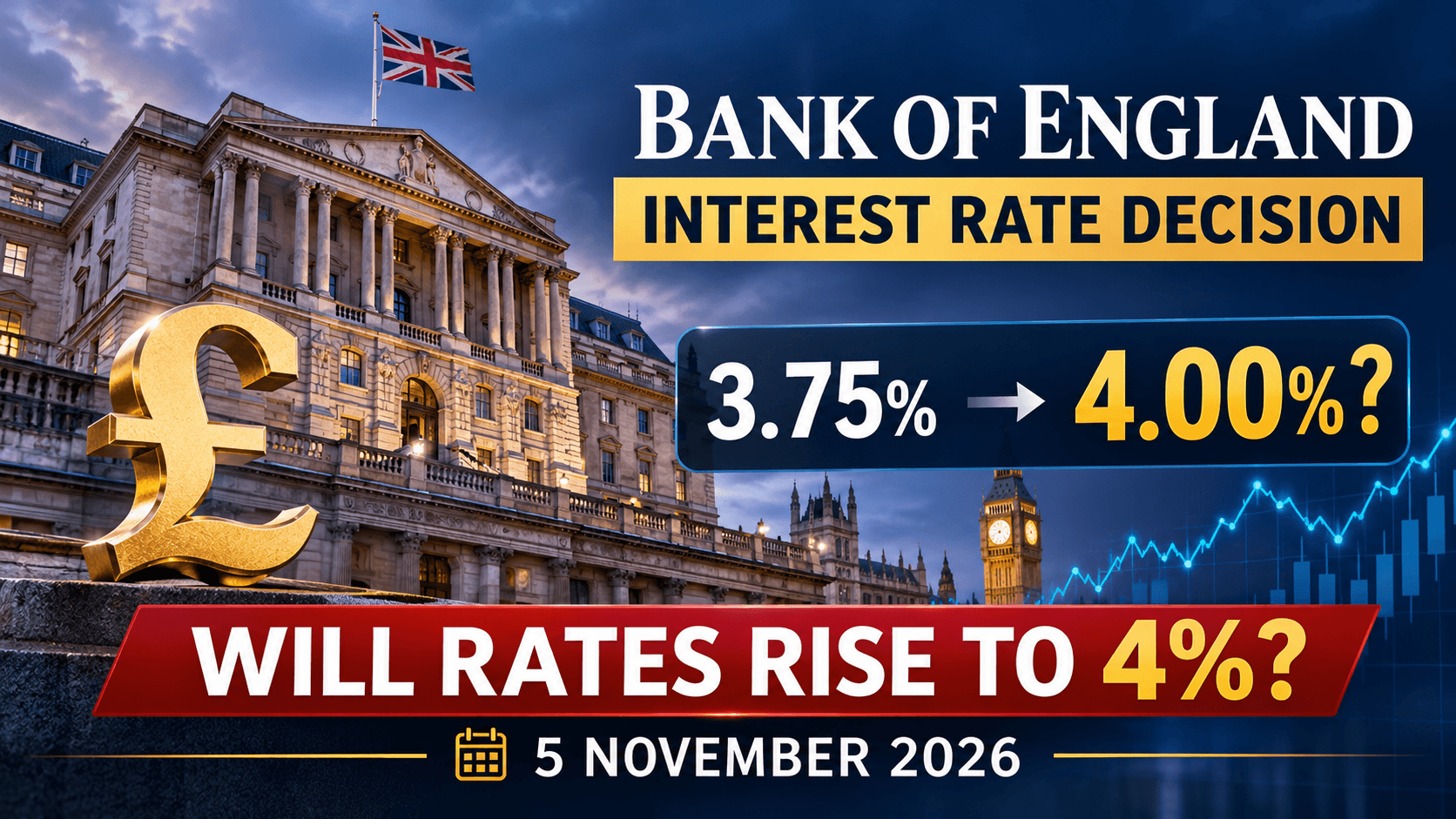
- Bank of England, 5 November: the Bank is widely expected to raise UK interest rates from 3.75% to 4%. Higher rates elsewhere can weigh on gold. Read our guide to the Bank of England interest rate decision.
- US jobs report, 6 November: strong jobs figures would make a December Fed rate rise more likely, which could push gold down. Weak figures could help it rise.
- Federal Reserve, December: markets have been pricing a high chance of a US rate rise in December. Any change in that view will move gold.
- The $4,000 line: traders see $4,000 as an important level. Staying above it would point to a recovery; falling back below could bring a retest of the year's lows.
What does this mean for UK buyers?
In pounds, gold was around £2,990 an ounce on 4 November, up about 2.4% on the day according to UK dealer Gold.co.uk. That works out at roughly £96 per gram for pure 24-carat gold, before any dealer premium.
For UK buyers, the price in pounds also depends on the exchange rate. A weaker dollar can soften the rise for people paying in sterling, so the gold price in pounds may have risen by less than the dollar price. To work out the price per gram, divide the price per ounce by 31.1, as one troy ounce equals 31.1 grams.
Prices for jewellery, coins and bars are also higher than the spot price, because dealers add a premium to cover making, selling and their own margin.
Last updated 4 November 2026, evening (UK). Prices quoted are from Reuters, Kitco, Gold.co.uk and other market data as of 4 November 2026 and will change. This article is general information, not financial advice.
FAQ
Frequently asked questions
Gold was trading at around $4,040 to $4,070 per troy ounce on 4 November 2026. Prices change constantly, so check a live source for the latest figure.
Gold rose about 3% after the US midterm elections because the US dollar weakened and Treasury yields fell, which makes gold cheaper for overseas buyers and more attractive than interest-paying bonds.
Gold is priced in US dollars. When the dollar falls, gold becomes cheaper for people buying in other currencies, which tends to increase demand and lift the price.
Higher interest rates, a stronger dollar or rising bond yields usually weigh on gold. A strong US jobs report or a December Fed rate rise could push it back below $4,000.
Divide the price per troy ounce by 31.1, because one troy ounce equals 31.1 grams. For example, $4,050 an ounce is about $130 a gram.
Written by
Mainstream Tech
Newsroom
News and analysis on technology, AI, business, politics and international affairs, from our newsroom in London.
More from Mainstream