On this page
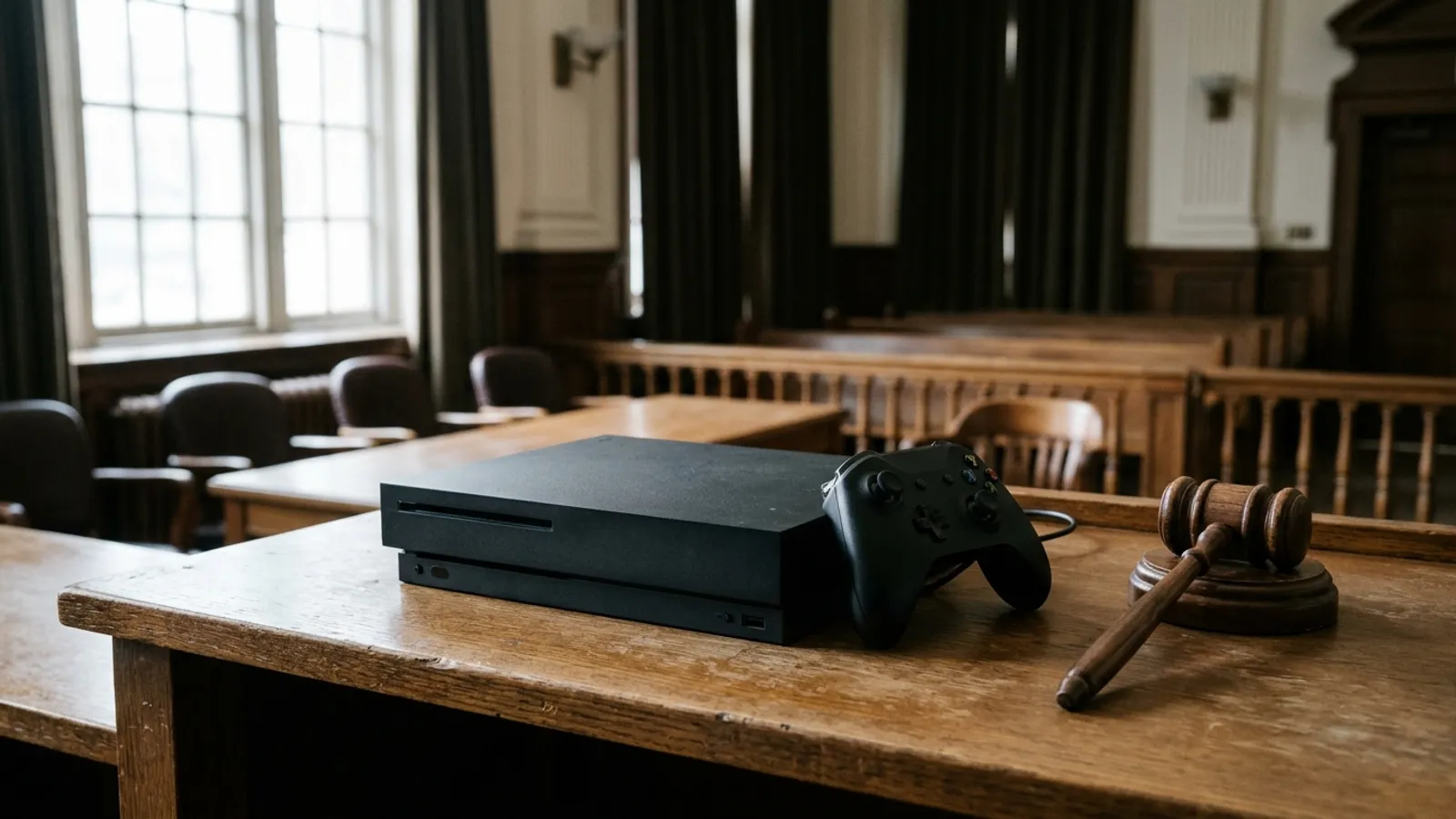
The Competition Appeal Tribunal dismissed the Sony PlayStation Store class action on 17 November 2026, ruling in [2026] CAT 86 that the claim failed in its entirety. Alex Neill's case sought about £1.97 billion with interest for roughly 12.2 million UK users over Sony's 30% store commission.
What did the tribunal decide on 17 November 2026?
The tribunal gave a unanimous judgment in Alex Neill Class Representative Limited v Sony Interactive Entertainment Europe Limited and others, case number 1527/7/7/22. Law News quotes its central finding: "We have concluded that the Class Representative has failed to establish that Sony has infringed competition law."
Brick Court Chambers summarises the outcome the same way: the claim was dismissed in its entirety, and Sony was not shown to be dominant on any relevant market. The Game Business reported the result on the same day.
This is a first-instance ruling on a claim brought on an opt-out basis, which means UK-domiciled PlayStation users were included unless they chose to leave.
What was the claim about?
Ms Neill, through her class representative company, filed the claim in August 2022 and the tribunal certified it on 21 November 2023, according to Law News. It was originally valued at up to £5 billion. By trial the damages sought were about £1.49 billion, or about £1.97 billion with interest, per Brick Court.
The allegations covered exclusive dealing, tying of the PlayStation Store, refusal to supply, and excessive and unfair pricing. The dispute centred on Sony's 30% cut of PlayStation Store sales, and the claimant argued that rival stores would have cut digital prices by roughly 20%, according to the UK Gaming Blog.
| Detail | What the sources report |
|---|---|
| Ruling date | 17 November 2026 |
| Citation | [2026] CAT 86 |
| Class | About 12.2 million UK PlayStation users |
| Damages sought | About £1.49bn, or about £1.97bn with interest |
| Alleged price effect | About 20% higher retail prices |
| Trial | Ten weeks, 10 March to 8 May 2026 |
| Outcome | Dismissed in its entirety |
Why did Sony win?
Market definition
The tribunal rejected the claimant's narrow market of PlayStation games and add-on content. Per Brick Court, it found physical games are likely significant substitutes, and that multi-homing (owning more than one console) and cross-platform play constrain Sony's pricing. It adopted Sony's wider "systems market", in which PlayStation competes with Xbox and Nintendo.
The UK Gaming Blog quotes the tribunal as finding "strong evidence of a willingness of consumers to switch consoles".
The 20% price claim and the security point
Brick Court reports that, even on the claimant's own market definition, the claim would have failed. The tribunal found the counterfactual not credible and the alleged 20% price difference not made out. It also found that opening the platform to third-party stores raised unresolved security concerns, and that no earlier refusal to supply was shown.
Were the prices excessive or unfair?
On the exploitative pricing allegation, Sony's returns, measured across the PlayStation system as a whole, were not shown to be excessive or unfair, according to Brick Court. The Game Business adds that the tribunal noted console makers sell hardware cheaply and recoup the money on game sales.
What did Sony argue?
Sony's case at trial, as recorded by the tribunal and reported by Law News, was that it sells consoles at low or negative profitability and recovers value through later sales of games, add-on content and services. Ahead of the trial, Reuters reported that Sony said it had "invested years and billions" in an integrated gaming platform, and that the claim amounted to arguing third parties should be able to "free-ride" on that investment.
Reuters also quoted Ms Neill saying that "gamers have paid too much and they should get some money back", and her lawyer Robert Palmer telling the tribunal that Sony "can and does set the retail prices" without facing retail competition for digital content. We have not found a statement from either side responding to the 17 November judgment, so none is reported here.
What does this mean for UK gamers? (analysis)
This section is our own analysis, not reporting.
- No payout from this claim. With the claim dismissed, there is no damages pot for the 12.2 million class members. Nothing changes for how the PlayStation Store prices or sells games today.
- The market definition did the heavy lifting. Once the tribunal treated consoles and games as one competitive system, the case for dominance over the store became much harder to make. Other platform-fee cases will turn on similar questions.
- Not the last word on store fees. The Game Business notes PlayStation still faces similar class actions in Australia, the Netherlands and Portugal, at an earlier stage. Those are separate proceedings under different laws.
For gamers watching the PlayStation ecosystem this month, the bigger consumer story is still the launch: see our guide to the GTA 6 release date in the UK, and the GTA 6 radio stations round-up. On the wider theme of console accounts and platform rules, we also covered Nintendo Account sign-in changes.
Sources
- Brick Court Chambers: Competition Appeal Tribunal dismisses £2 billion PlayStation class action against Sony
- Law News: Tribunal rejects PlayStation class action against Sony
- The Game Business: PlayStation defeats $2.6 billion UK class action lawsuit over game pricing
- UK Gaming Blog: Competition Appeal Tribunal throws out £2bn PlayStation Store claim
- Reuters via Claims Journal: Sony fighting $2.7 billion UK lawsuit over PlayStation Store prices (11 March 2026)
FAQ
Frequently asked questions
The Competition Appeal Tribunal handed down its judgment on 17 November 2026, under the citation [2026] CAT 86. It dismissed the claim in its entirety.
At trial the claimant sought about £1.49 billion in damages, or about £1.97 billion with interest, on behalf of around 12.2 million UK PlayStation users. When certified in 2023 it had been valued at up to £5 billion.
The tribunal found Sony was not dominant because PlayStation competes with Xbox and Nintendo in a wider systems market, found the alleged 20% overcharge unproven, and found its returns were not shown to be excessive or unfair.
We have not been able to confirm from the sources we opened whether the claimant plans to appeal, so we are not reporting a position either way. Check the tribunal's published judgment for any appeal steps.
Spotted an error? Tell us. Read how we report and correct stories in our editorial policy.
Written by
Mainstream Tech
Newsroom
News and analysis on technology, AI, business, politics and international affairs, from our newsroom in London.
More from Mainstream