On this page
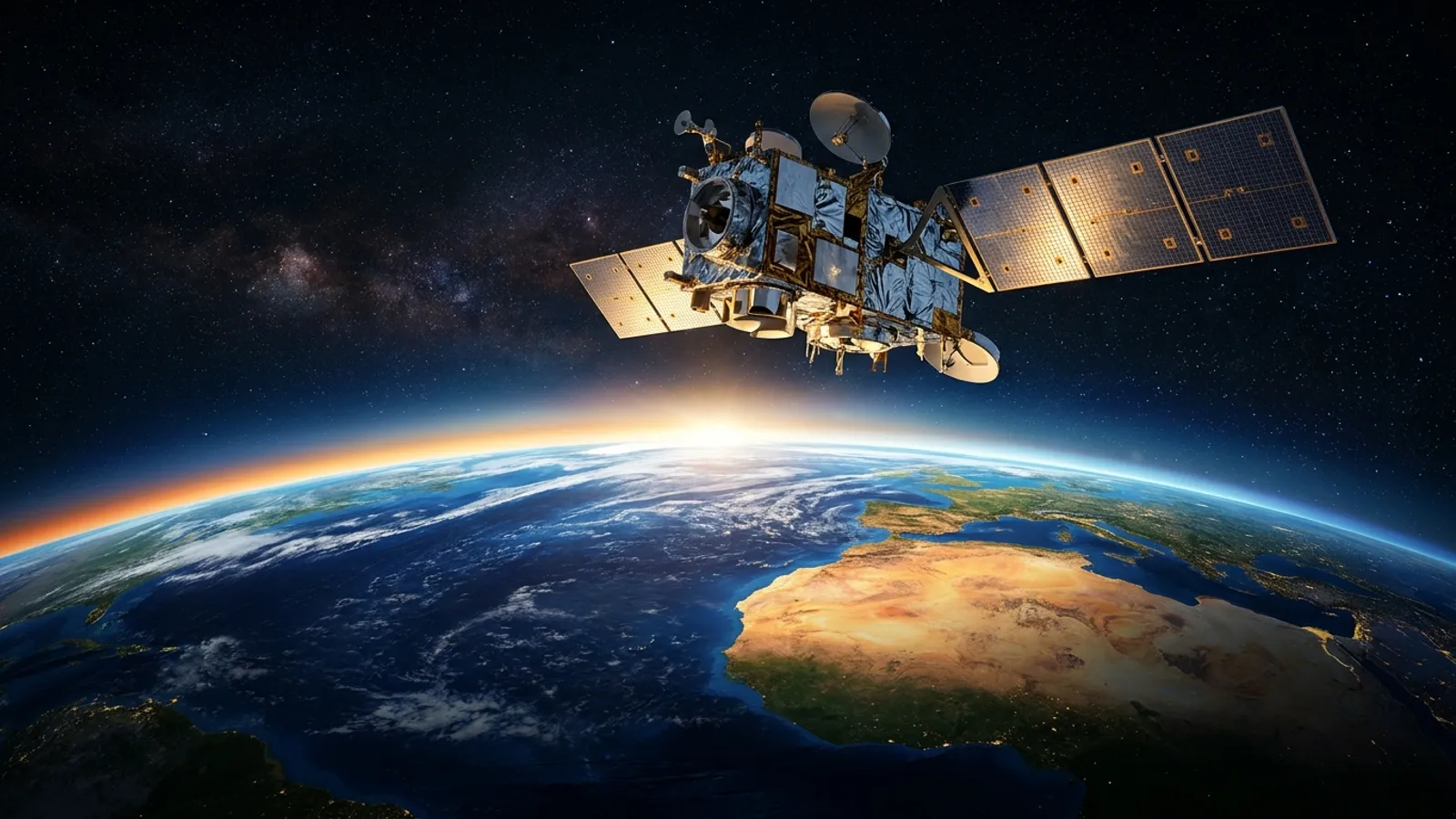
The head of Nato, Mark Rutte, said in Berlin on Monday 23 November 2026 that the alliance will "defend every inch of Nato territory", including in space, after German media reported that Russia may be preparing to launch a nuclear-armed satellite. The reports, which rely on unnamed security sources, have not been confirmed by any government, and Russia has rejected them. This article sets out what has been said, by whom, and what remains unverified.
What did Mark Rutte say about the Russian nuclear satellite reports?
Mr Rutte was speaking at a joint press conference with German Chancellor Friedrich Merz. According to Anadolu Agency, he said Nato regularly reviews its deterrence and defence posture and pledged: "we will always make sure that we defend every inch of NATO territory". He added that this applies "when it comes to space, which is more to the point of what came out in the German media".
Defense News quotes the same pledge and says he tied it to safety "when it comes to the space element". The BBC report, republished by Yahoo News, says he told the press conference that Nato will assess its deterrence and defence and update them where needed.
Mr Rutte did not, in the accounts we could read, confirm the reported preparations or give a timetable. We could not locate a Nato transcript of the press conference on nato.int at the time of writing, so the quotes above come from the news reports.
What are the German media reports?
The reports were published on 23 November 2026 by the public broadcasters WDR and NDR and the newspaper Süddeutsche Zeitung. Defense News says they cite intelligence sources. According to the outlets we read:
- The satellite is called "Sputnik-S".
- It has reportedly been assembled and stored in the greater Moscow area for several years.
- An intelligence assessment from early November said it could launch "within 60 days", and Russia may place it in orbit by the end of 2026.
- Anadolu reports that, according to the German coverage, the Bundeswehr has briefed senior officials including Defence Minister Boris Pistorius, and that its officers consider a December launch plausible.
- Asharq Al-Awsat says the intelligence was reportedly shared among several Nato countries and that the satellite could disrupt or destroy communications and observation satellites.
The BBC notes that the source of the underlying intelligence reports is unclear. These are reports, not confirmed facts.
How have governments and agencies responded?
| Party | Response as reported |
|---|---|
| Friedrich Merz | Said the reports are "not new, yet they remain no less shocking"; neither confirmed nor denied them, according to the BBC copy |
| German government spokesman | Taking the reports "very seriously" but warned against "excessive nervousness" about hypothetical dangers (Asharq Al-Awsat) |
| Kremlin (Dmitry Peskov) | Said he had not seen the stories and that reports citing "unknown sources" were hardly worth taking seriously |
| Russian embassy in Berlin | Said it had no information, rejected the accusations as a "propaganda campaign" and said Russian space activity is "exclusively for peaceful purposes" (Defense News) |
| European Space Agency head Josef Aschbacher | Told Handelsblatt that nuclear weapons in space would be "the ultimate nightmare scenario" (Asharq Al-Awsat) |
| BND and German military space command | The BND declined to comment to AFP; the space command pointed to Mr Pistorius's remarks that space threats are taken seriously (Asharq Al-Awsat) |
Why would a nuclear weapon in orbit matter?
Placing nuclear weapons in orbit is banned by the 1967 Outer Space Treaty, which Russia has ratified, according to Defense News. The BBC adds that Bleddyn Bowen of Durham University said a nuclear detonation in space would cause major damage to the more than 15,000 active satellites, including Russia's own.
Defense News notes that a nuclear detonation in space could destroy or disable many satellites and disrupt power grids and communications on Earth through an electromagnetic pulse. It cites the 1962 US Starfish Prime test, whose radiation belt damaged several satellites including Telstar-1. Anadolu's account of the German reporting says a detonation in low Earth orbit would disable satellites in that zone within months, affecting navigation, telecommunications and weather forecasting.
Is this a new allegation?
No. Mr Merz himself said the reports are not new. In 2024 the US accused Russia of developing a nuclear anti-satellite weapon; Russia denied it and President Putin said Russia was categorically against deploying nuclear weapons in space, according to the BBC copy.
Defense News adds that US intelligence reportedly began circulating warnings in February 2023, and that the then House Intelligence Committee chairman Mike Turner publicly warned of a "serious national security threat" in early 2024. It also describes Kosmos-2553, launched shortly before Russia's full-scale invasion of Ukraine in February 2022, which Russia called a radiation research satellite and Western agencies were "greatly sceptical" about. Security services reportedly told WDR and NDR it functions as a dummy to test how radiation affects satellites.
Analysis: what to make of it
This section is our own analysis, not reporting.
The strongest confirmed fact is the political one: the Nato secretary general publicly extended the alliance's defence pledge to space in response to a question about the reports. That is a statement of posture, not evidence that a launch is imminent. The launch claim rests on anonymous sources relayed through media, and the on-record official reactions so far are cautious. The German government's warning against "excessive nervousness" suggests it does not want the reports read as a confirmed countdown.
Two things to watch are whether any government or Nato body formally confirms the intelligence assessment, and whether a launch actually occurs. Until then, "Russian nuclear satellite" describes an allegation, which Moscow denies.
The story also lands during a tense period on Nato's eastern flank. Our earlier coverage of Russian missiles falling in Poland on 20 November 2026 and of a Russian drone briefly entering Polish airspace on 23 November covers separate incidents.
Sources
- Defense News: Russia may launch nuke-laden satellite by year's end, German report warns (24 November 2026)
- Anadolu Agency: NATO chief says 'space' part of defense pledge as Russia reportedly readies nuclear satellite
- BBC report (Helen Davidson), republished by Yahoo News: Nato chief vows defence against space threat after Russian nuclear satellite reports
- Asharq Al-Awsat: NATO vows space defense after Russia nuclear satellite report
FAQ
Frequently asked questions
No launch has been reported. German media reported that Russia may launch a satellite called Sputnik-S by the end of 2026, citing unnamed sources. Russia's embassy in Berlin rejected the accusations as propaganda.
Mark Rutte said on 23 November 2026 in Berlin that Nato will "defend every inch of Nato territory", including when it comes to space, according to Anadolu Agency and Defense News. He did not confirm the reported preparations in the accounts we read.
No. The 1967 Outer Space Treaty bans placing nuclear weapons in orbit. Russia is a party to the treaty, according to Defense News.
Dmitry Peskov said he had not seen the reports and that stories based on unknown sources were hardly worth taking seriously, according to the BBC report and Asharq Al-Awsat.
Spotted an error? Tell us. Read how we report and correct stories in our editorial policy.
Written by
Mainstream Tech
Newsroom
News and analysis on technology, AI, business, politics and international affairs, from our newsroom in London.
More from Mainstream