On this page
The government is expected to recommend that drivers over 70 prove their eyesight every three years or risk losing their licence, the BBC reported on 26 November 2026. No decision has been made, and nothing has changed in law: the idea is part of a road safety strategy that is expected "within weeks", after a Department for Transport (DfT) consultation that closed in May.
For now, the rules for older drivers in Great Britain stay as they are. This article sets out what is proposed, who would be affected, what the timing looks like and what is still unconfirmed.
What is being proposed for drivers over 70?
According to the BBC report (read through a syndicated copy), government sources said ministers will recommend that over-70s regularly prove their eyesight meets the minimum standard. Those who do not meet it face losing their licence.
The requirement would sit inside the DfT's road safety strategy. The BBC said that strategy is expected "within weeks". The Daily Mail was credited with first reporting the proposals.
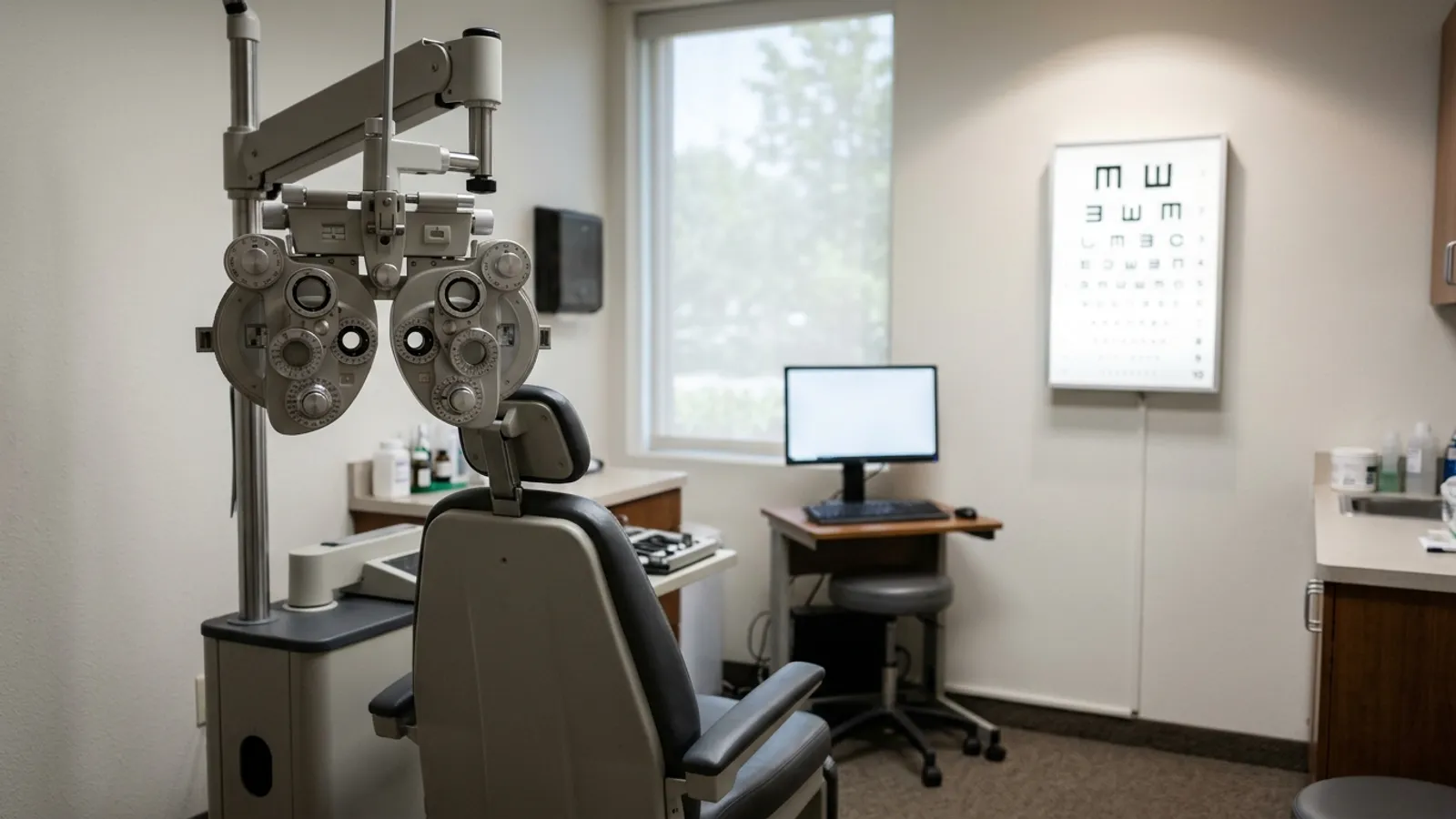
The BBC also reported that the free NHS eye test offered to over-60s is not detailed enough to approve someone to drive. It said the government understands those tests may be expanded and made more rigorous.
What are the rules now?
Under the DfT consultation page, a driver's entitlement expires at 70. They must then renew their licence, and at most every three years after that. To renew, they make a legal declaration that they meet the eyesight standards and say whether they have any listed medical conditions.
In other words, there is no independent check of eyesight at renewal. The legal standard, as described by the BBC, is being able to read a standard number plate from 20 metres, wearing glasses or contact lenses if required.
Who would be affected?
The BBC said about 6.5 million over-70s hold driving licences, including 1.6 million aged 80 or over. An Association of Optometrists (AOP) report from January gave a similar scale, saying licence holders aged 70 and over rose 60% from 3.9 million in November 2012 to 6.3 million in May 2025.
The consultation applies to Great Britain only, according to the gov.uk page, which does not address Northern Ireland.
Is this law yet, or still a consultation?
It is neither law nor a firm policy yet. The sequence so far, from the sources we could open:
| Date | What happened | Source |
|---|---|---|
| 7 January 2026 | DfT opens a consultation on mandatory eyesight testing for older drivers | gov.uk |
| 16 February 2026 | Closing date extended | gov.uk |
| 11 May 2026 | Consultation closes | gov.uk |
| 26 November 2026 | BBC reports ministers will recommend three-yearly eye tests for over-70s | BBC |
The gov.uk page says DfT is analysing feedback and that no outcome has been published. A DfT spokesperson told the BBC that no decision has officially been made on mandating eye tests for drivers aged 70 and over, and that the department is "carefully reviewing consultation results".
A recommendation in a strategy would still need to be turned into rules. The sources we read give no implementation date, no test content, no cost and no appeal process.
What has the government said?
The BBC quoted a government source saying "beefed up measures" were long overdue and "One life lost on the roads is one too many". The source pointed to several arguably preventable fatalities in recent years involving drivers with failing eyesight.
The DfT spokesperson said the department recognises "the importance of driving for older people's independence" and has to balance that with road safety. The spokesperson added: "Older drivers who are fit to drive and have good enough vision have nothing to worry about."
In January, the AOP reported that Transport Minister Lilian Greenwood said the government had considered calls from coroners and others to review self-declaration.
How have groups reacted?
- Silver Voices: Dennis Reed, from the campaign group for older people, told the BBC it was "discriminatory to just pick an age out of the hat". He said the group is not opposed in principle to regular eye tests for older drivers.
- Optometrists: The AOP and the College of Optometrists welcomed the consultation in January and want all drivers, not only older ones, to show evidence of a recent eye test. The AOP's Dr Peter Hampson said the UK is one of only three countries that relies on self-reporting.
- RNIB: Vivienne Francis welcomed an over-70 requirement but said all drivers should provide proof of a recent eye test at renewal, and stressed support for people who lose a licence because of sight loss.
Analysis: what to watch
This section is our own reading, not reporting.
The age-based design is the most contested part. Critics such as Silver Voices object to a single age cut-off, while eye-health bodies argue for testing every driver. Any final policy has to answer which of those it chooses.
The practical questions look harder than the principle. If the free NHS test is not detailed enough for driving, then either that test changes or drivers need a separate one. Results going to the DVLA, as some reports described, would also need a process for people who fail, including how they can be retested.
One date point to treat carefully: the BBC wrote that the changes follow a consultation launched "early last year". The gov.uk page shows the consultation opened on 7 January 2026, so we have used that date.
Sources
FAQ
Frequently asked questions
Not at present. Drivers over 70 renew their licence every three years and declare that they meet the eyesight standards, but they do not have to provide proof of a test. Mandatory tests are only a proposal.
No start date has been given. The BBC said the road safety strategy is expected within weeks, and the DfT says it is still reviewing consultation results. Any rule would come after that.
No. The current process, a renewal every three years with a self-declaration about eyesight and medical conditions, continues until the government decides otherwise.
The BBC described it as being able to read a standard number plate from 20 metres, wearing glasses or contact lenses if required.
The DfT consultation applies to Great Britain only, and its page does not address Northern Ireland.
Spotted an error? Tell us. Read how we report and correct stories in our editorial policy.
Written by
Mainstream Tech
Newsroom
News and analysis on technology, AI, business, politics and international affairs, from our newsroom in London.
More from Mainstream